How to avoid product losses due to faulty preservation in professional kitchens?
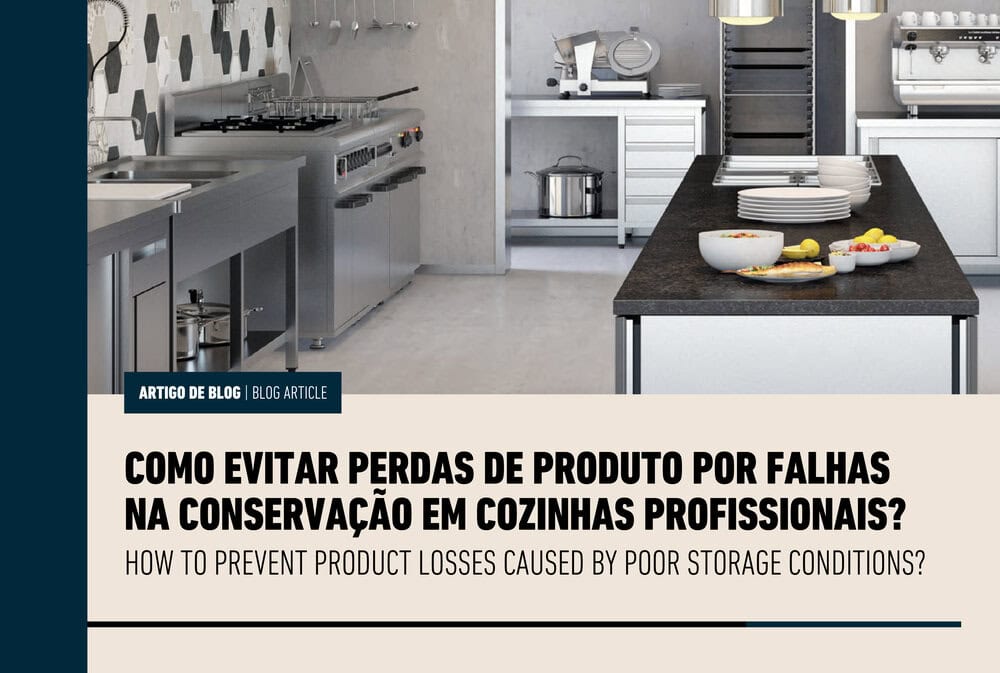
In professional kitchens, supermarkets and other areas of the HORECA sector, the correct storage of products is essential to guarantee quality, food safety and profitability. Small flaws in storage can result in significant losses, waste and a direct impact on operating costs.
Avoiding these situations involves adopting good practices, choosing the right equipment and ensuring efficient day-to-day management.
Strict temperature control
Temperature is one of the most critical factors in food preservation. Even small variations can jeopardise freshness and accelerate product deterioration.
To avoid losses:
- Regularly monitor the temperature of equipment
- Use digital control systems for greater precision
- Adjust the parameters according to the type of product stored
A stable temperature guarantees greater durability and food safety.
Stock organisation and rotation
Poor organisation can lead to forgotten products and consequent waste. Implementing methods such as FIFO (First In, First Out) is essential to ensure that the oldest products are used first.
Good practices include:
- Clear separation by product category
- Identification of entry and expiry dates
- Easy access to products
Efficient organisation contributes directly to reducing losses.
Avoid overloading equipment
Adding more products than the recommended capacity jeopardises air circulation and the efficiency of the cooling system.
Common consequences:
- Uneven temperature inside
- Greater strain on components
- Increased risk of breakdowns
Respecting the capacity of the equipment is fundamental to guaranteeing uniform conservation.
Avoiding product losses in professional kitchens involves a combination of control, organisation, maintenance and choosing the right equipment. Small day-to-day improvements can translate into significant gains in efficiency, waste reduction and quality of service.
Investing in good practices and reliable solutions guarantees safer, more sustainable and more profitable operations.